Shipping Smarter: Budget-Friendly Strategies sourced from the Chinese market


In the current international business landscape, shipping from China has become an integral part of numerous businesses' supply chains. Because shipping from china and more seek to procure products and materials from this manufacturing powerhouse, grasping the nuances of global shipping is essential for maintaining competitiveness. Managing the complexities of logistics and transportation can greatly impact costs and delivery times, making it crucial for businesses to adopt cost-effective strategies that not just streamline operations but also enhance profitability.
For those wishing to capitalize on the advantages of sourcing from China, it is important to implement intelligent shipping practices. From choosing the right freight forwarder to refining shipping routes, there are countless strategies that can result in substantial savings. By leveraging technology and fostering strong relationships with suppliers, businesses can guarantee that their shipments are timely, efficient, and budget-friendly. In this article, we will explore practical approaches that can assist businesses transport smarter and more economically from China, thereby maintaining an edge in an increasingly competitive environment.
Understanding Delivery Alternatives
While businesses look to obtain items originating from Chinese manufacturers, comprehending the different shipping alternatives accessible is crucial for cost management and prompt deliveries. The most frequent approaches include air freight, marine shipping, and express delivery.
Air transportation is faster and ideally suited for critical deliveries, making it a wise selection for expensive products or smaller amounts. Conversely, this choice tends to be more expensive, and its costs can considerably affect the complete funding.
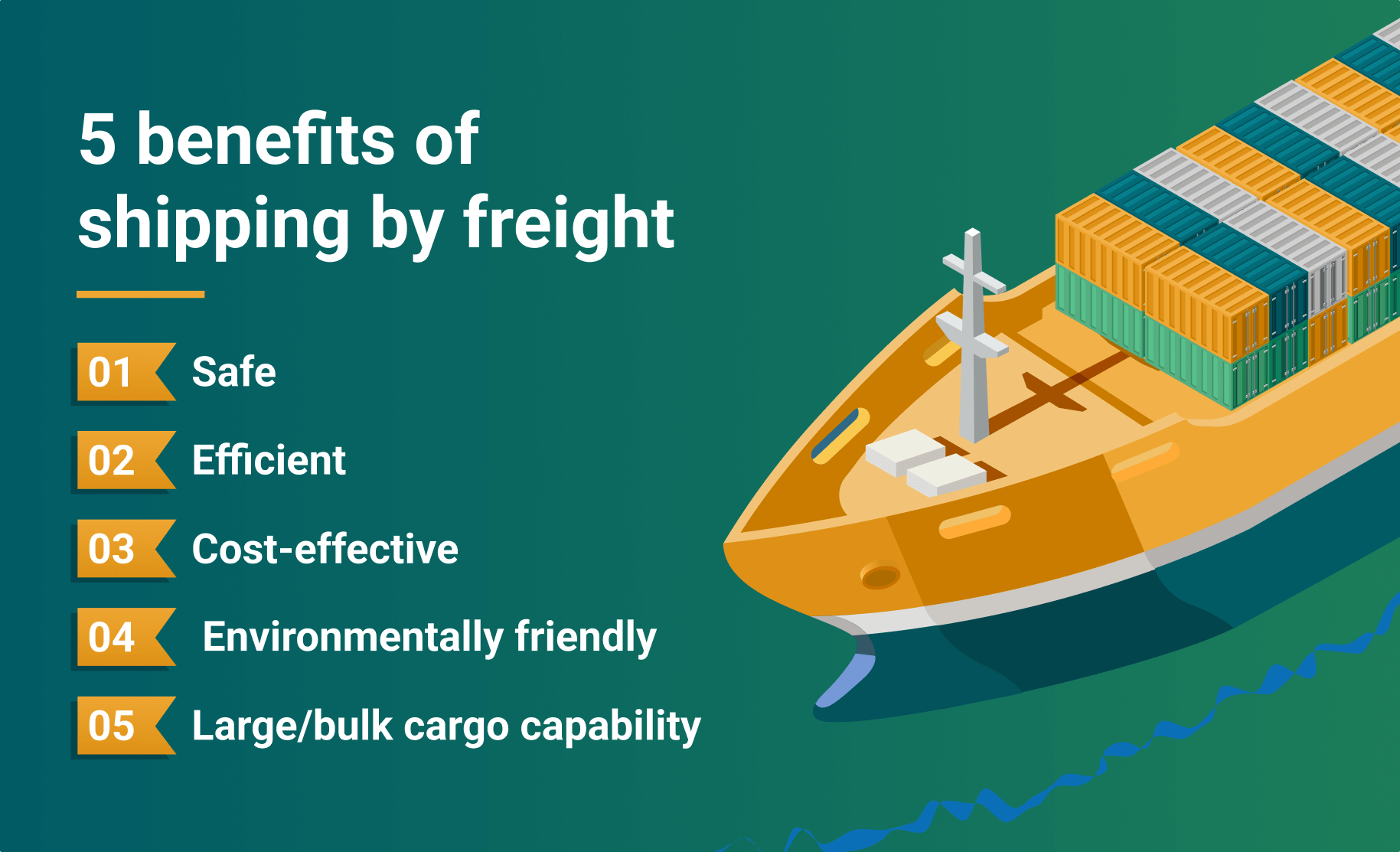
Marine shipping, on the other hand, is the most economical way to ship large volumes of products, especially for companies dealing with bulk orders. It involves transporting items in shipping containers and can consume longer than air shipping. It is important to consider the delivery timeframe against costs when selecting on this approach. Many companies selecting marine shipping also benefit from lower customs duties, making it a viable option for future planning.
Express courier services provide a mix of speed and reliability for small packages. Companies like United Parcel Service (UPS), DHL, and DHL can deliver packages swiftly, but their costs are generally higher than traditional freight options. For businesses that need adaptability and quick fulfillment, rapid couriers present an alluring alternative in spite of the added charge. Grasping these choices enables companies to tailor their freight strategies efficiently.
Economical Strategies
Finding affordable shipping options can significantly impact your organization's bottom line. One successful strategy is to consolidate shipments whenever possible. Instead of sending several smaller shipments, consolidate goods into a single shipment. This not only reduces per-unit shipping costs but also minimizes the frequency of deliveries, which can be beneficial for both shipping rates and inventory management.
Another approach is to negotiate rates with carriers. Many businesses miss the potential for gaining discounts based on volume or creating long-term contracts with shipping providers. Engaging with various carriers to evaluate rates can lead to better deals, as well as reveal which carrier offers the most benefit for your specific shipping needs. It is often beneficial to build relationships with logistics partners who can provide tailored solutions.
Additionally, consider using freight forwarders or third-party logistics companies. These services specialize in managing shipping logistics and often have strong relationships with carriers. By capitalizing on their expertise and networks, businesses can take leverage of more competitive rates and better efficiency in shipping processes. This can help streamline operations while making sure that goods arrive in a timely and cost-effective manner.
Navigating Compliance
While shipping from China, navigating the regulatory landscape is essential for companies to guarantee compliant and smooth operations. Different types of goods may be subject to specific regulations, including import duties, tariffs, and safety standards. Acquainting yourself with these rules helps avoid delays and fines, allowing for smoother transit of your shipments. Furthermore, knowing the import regulations in your destination country is also important, as failure to meet these standards can result in confiscation or penalties.
It is advisable to work with knowledgeable freight forwarders or customs brokers who can assist you through the complex maze of international shipping regulations. These experts are well-versed in the intricacies of customs documentation and can assist with proper classification of your goods, ensuring all required paperwork is complete and submitted correctly. This not only saves time but also minimizes the risk of problems arising during the shipping process.
Additionally, staying updated on any shifts in trade policies and regulations is vital. Trade agreements or changes in the political climate can impact shipping costs and legal requirements. Regularly reviewing industry news and regulatory updates can help businesses adapt quickly, allowing them to make informed decisions about their shipping strategies and avoid unexpected disruptions.